



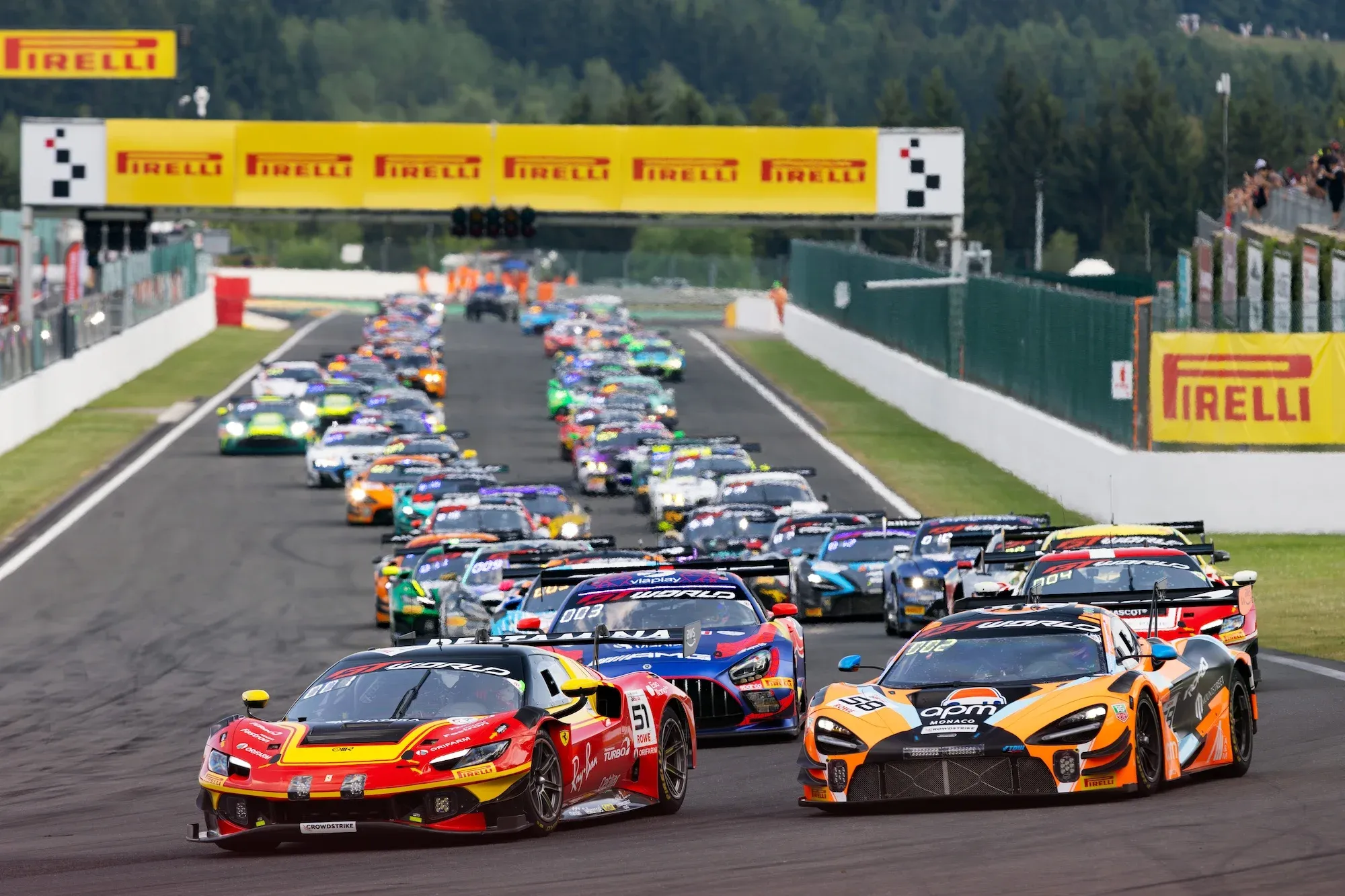
GT3 has been, almost unarguably, the most successful sportscar ruleset ever in terms of the sustained manufacturer involvement and the renewed attention it has brought to GT racing since the class's introduction in 2005.
However, despite the category sticking around much longer than its contemporary sportscar rulesets, GT3 has changed enormously in the 20 years it has existed.
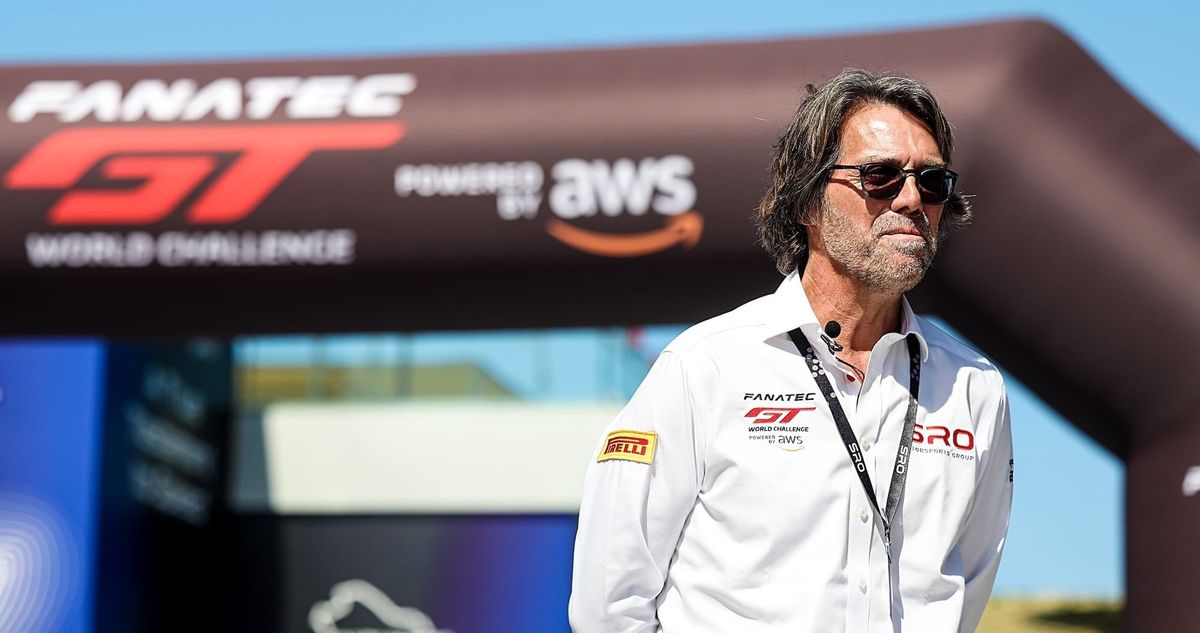
In a conversation with On The Apex, Stephane Ratel claimed that GT3's own success as a class is what endangers it most.
He's been outspoken in the past about his belief that GT3 racing has four fundamental pillars. Now, he says they are at risk of crumbling as the 2020s enters its second half.
Pillar #1: Cost
'The first [pillar] was cost,' he told me.
'It was at half the price of GT2 and this is the key reason why it was so successful. Number one.'
'This has vanished because when, basically, with the end of the GTE category, some GTE cars, not to name them, have been rebadged GT3 with the price tag being almost identical.'
The ACO's GTE class evolved from GT2 and began formally racing in 2011 as the Intercontinental Le Mans Cup's top GT class, before the FIA World Endurance Championship was created for 2012.
 Phil Oakley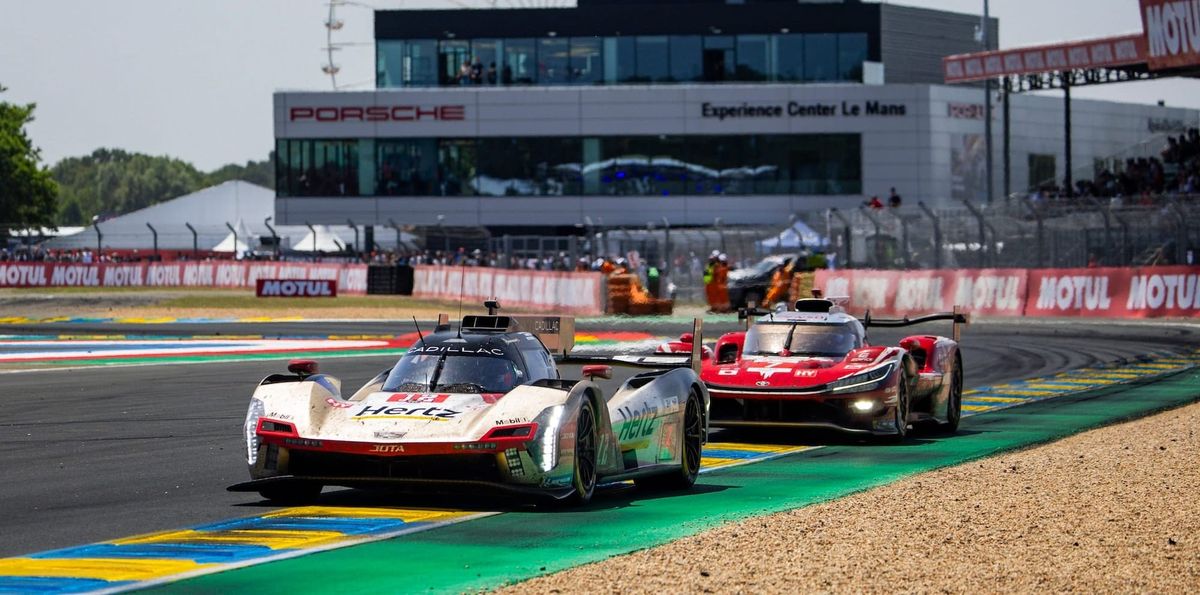
Initially the cars were road-going GT machines, such as Aston Martin's V8 Vantage, Ferrari's 458 Italia, and Porsche's 911 GT3 RSR.
However, by the class's final year of competition in 2023, it had diverged significantly from the original premise. Cars were now much closer to prototypes, with less road-going relevance.
The Ferrari 488 and Aston Martin Vantage were possibly what Ratel was referring to here. These cars, introduced late in GTE's lifespan as a class, were "convertible" between GTE and GT3 spec. When GTE ended, they were simply rebadged as GT3 cars.
'The 2022 FIA technical regulation gave the manufacturers more freedom and has made the cars suddenly a lot more expensive,' said Ratel.
'Plus the post-COVID inflation; suddenly you went from cars that were 400 to 500,000 euros to cars that are 700 to 900,000 euros. So you had a huge jump in cost, both in purchase price and in running cost.'
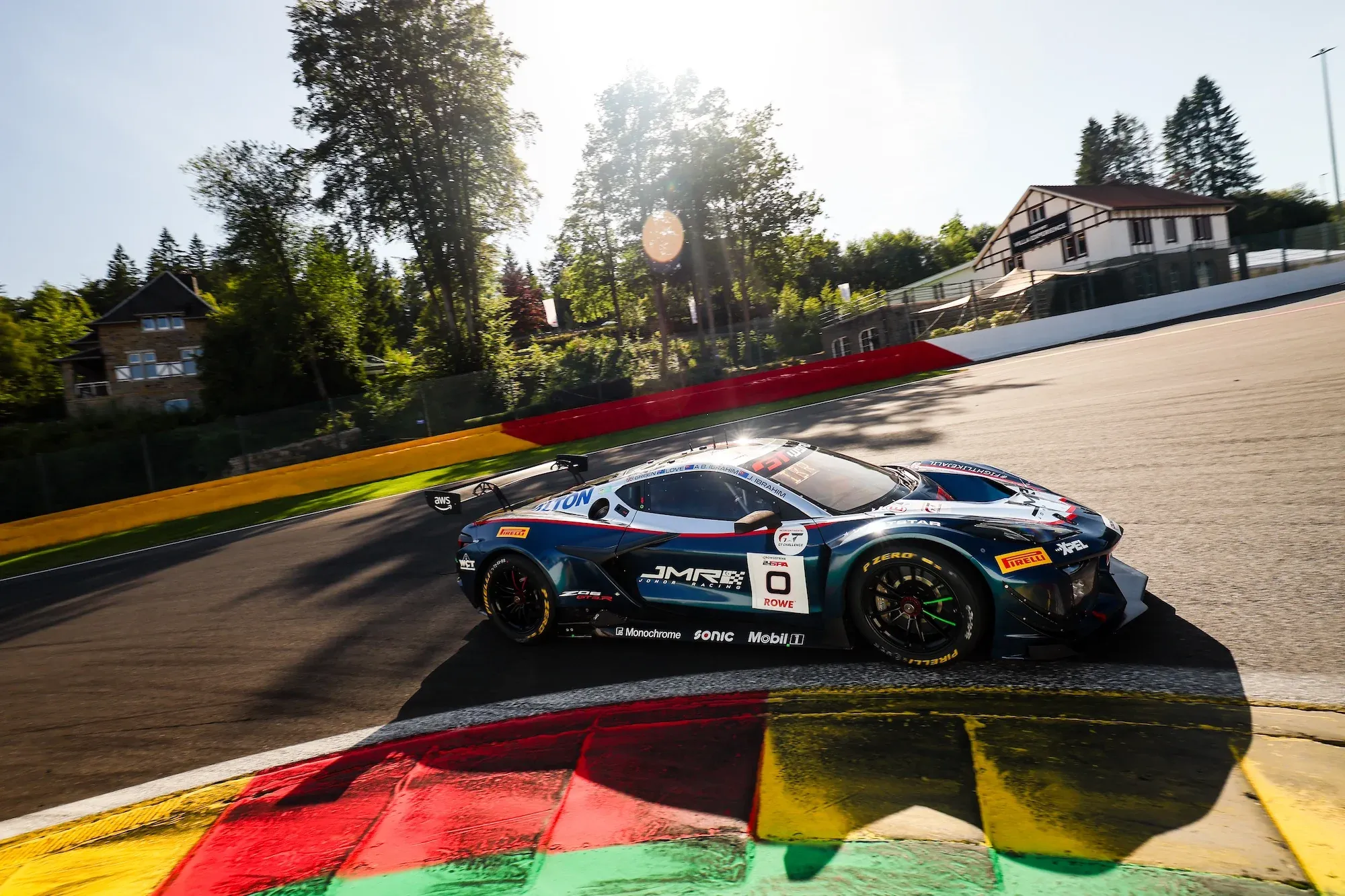
It's believed the Ferrari 296 GT3 costs between €620k and €750k for a new, race-ready chassis. A new Mercedes-AMG GT3, meanwhile, may cost nearer a million euros, despite its age, with an all-new model due to be introduced next year.
With GT3 being a customer class, this is a worrying trend as it risks customer teams, who are often small, cash-strapped operations, not being able to afford the cars.
It does have to be noted, however, that the SRO's entry fees do stack up considerably. This undoubtedly adds to the cost for the smaller teams competing in SRO championships, especially GT World Challenge Europe, arguably the organisation's headline series, where the fees can run well into six figures before car costs are even considered.
Pillar #2: Road car DNA
GT3 is, or was, fundamentally a road car class.
Look at pictures of the cars when they were introduced in 2005.
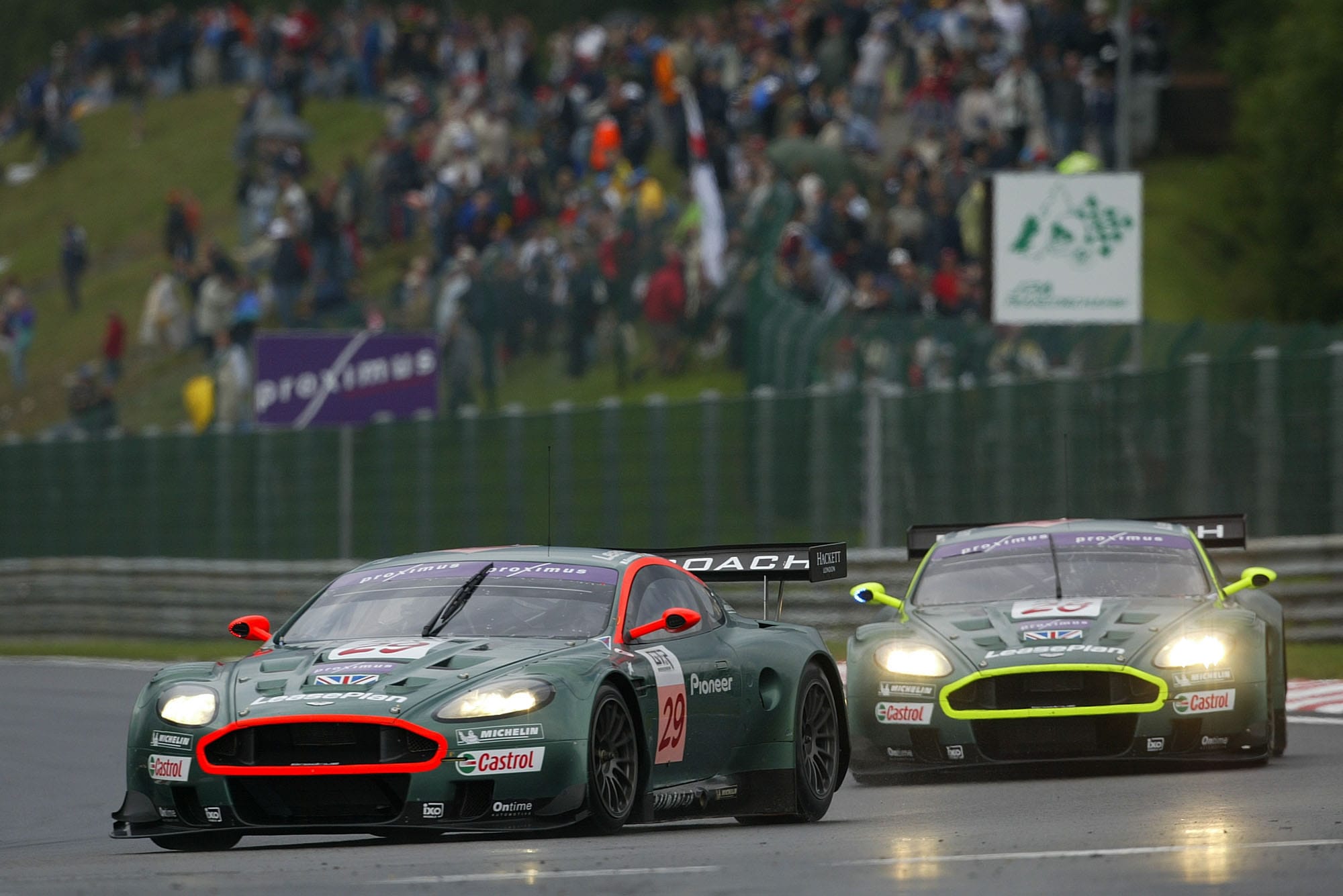
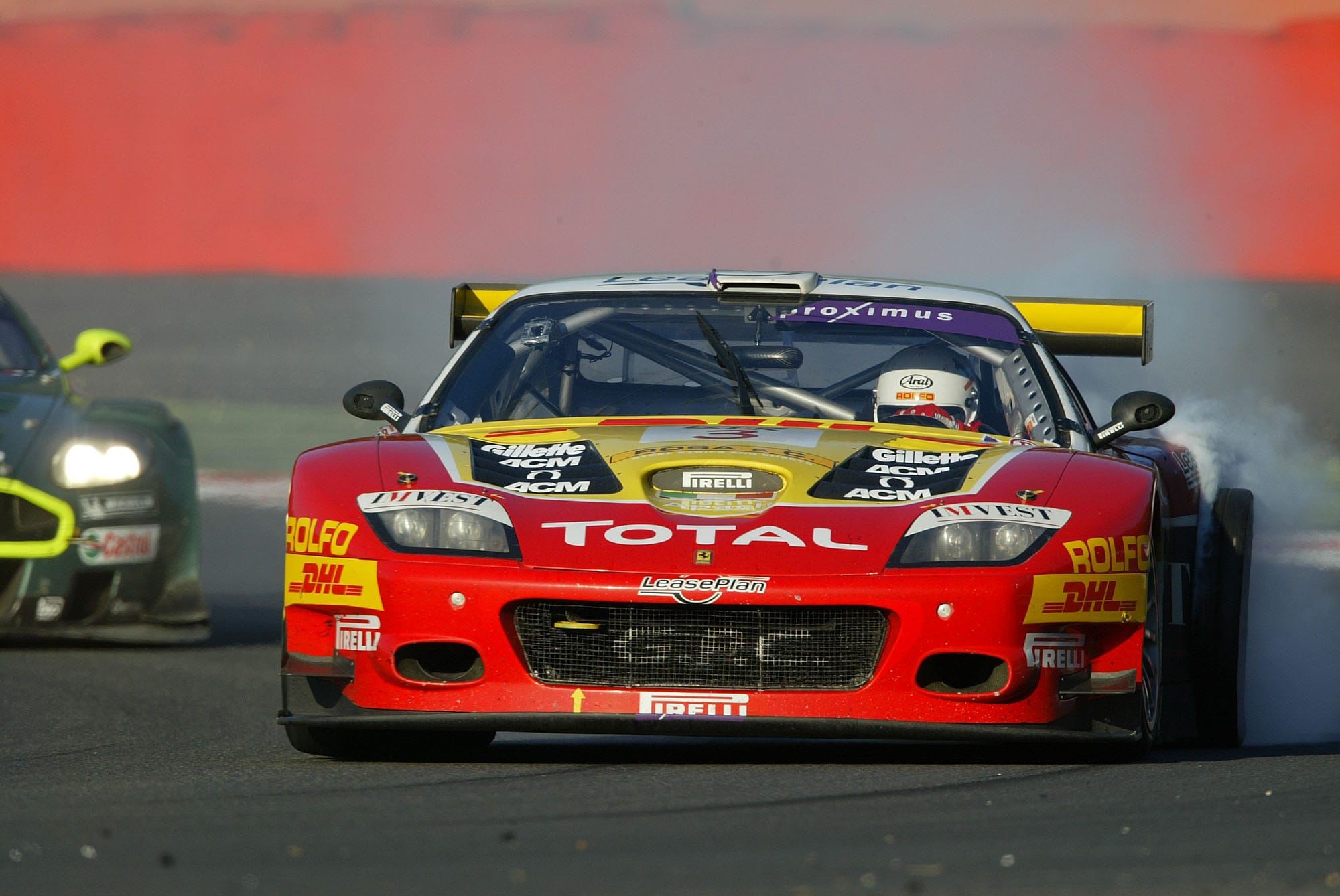
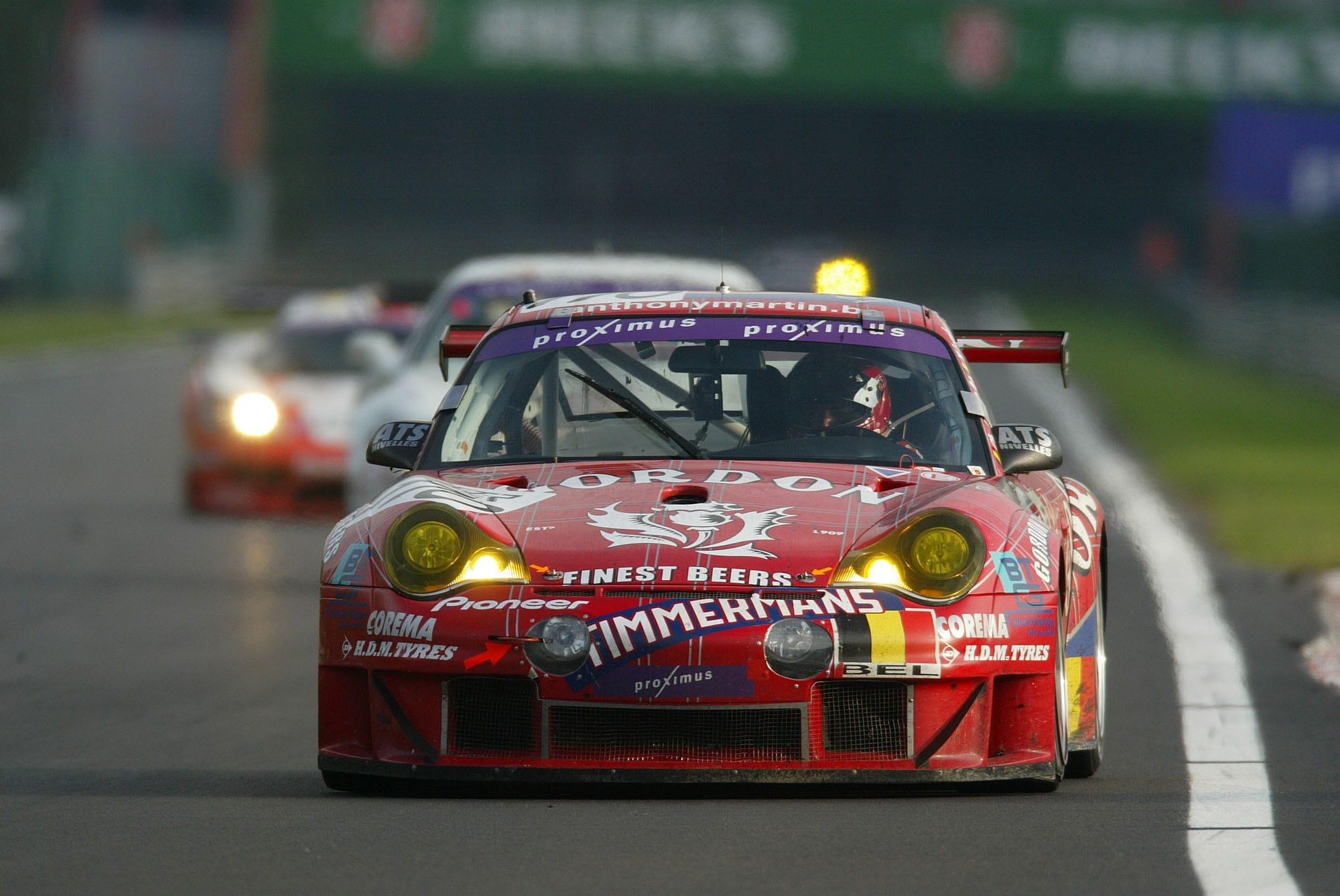
The Aston Martin, Ferrari and Porsche GT3 cars from 2005. Images: DPPI/SRO
The road car DNA shines through here; they were clearly road cars converted into race cars.
This is no longer the case. Ratel told me: 'Second pillar was they were cars that were all road cars developed for racing.
'Now we see with the new Toyota, we will see with the new AMG, that they become specials.
'They are race cars which find a way to match the regulation by having road car obligations and by producing the number of cars they need to be on the market.'
Both the new Toyota and new Mercedes-AMG models are due to be introduced next year.
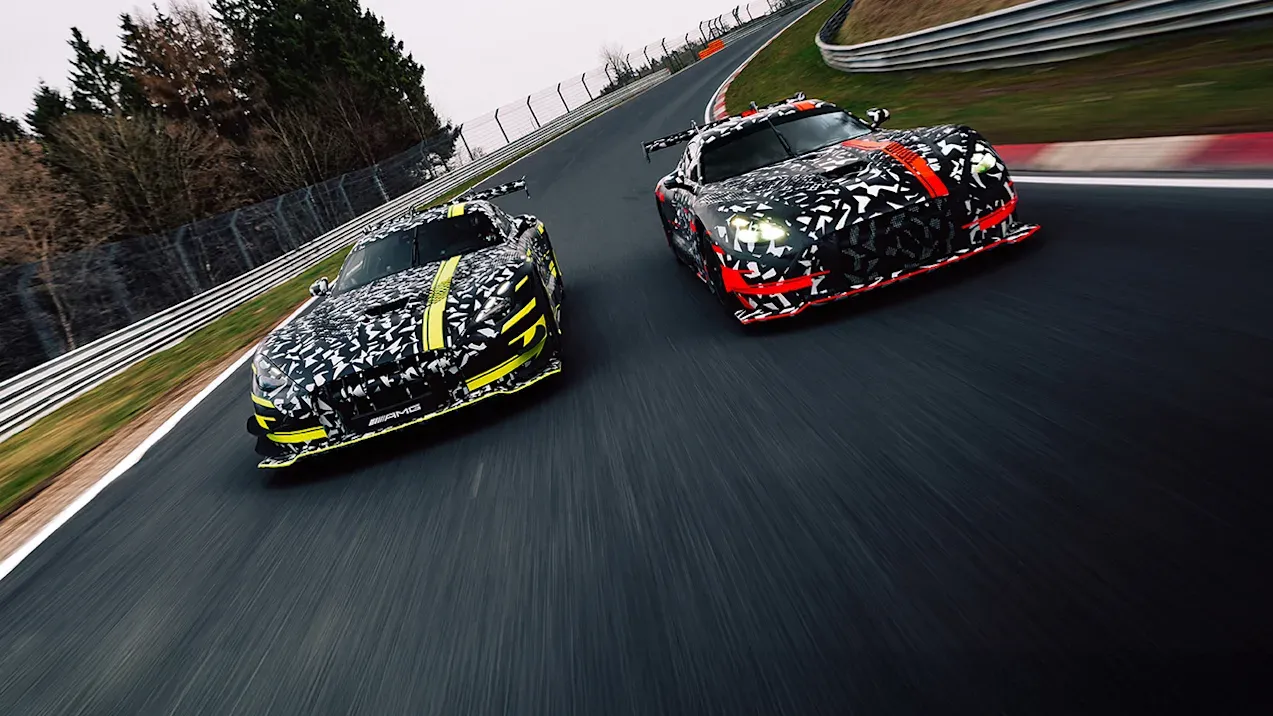

The new Mercedes-AMG GT3 (in red camo) and new Toyota GR GT3. Images: Mercedes, Toyota
Compare them to the original GT3 models above and the difference is clear. These are race cars first, road cars second.
'This is something we've seen in '96 with the Porsche GT1,' continued Ratel.
'This is something we saw in 2004 with the Maserati MC12. It is something we saw later with the second generation of the Ford GT in GTE. That's usually not a good sign.'
Ratel continued expanding his point: 'What the FIA will need to be extremely careful about is that even if they are specials, they are still within the spirit of the GT car. Not that they become like the Porsche GT1 was, like what we call GTP, GT-kind-of-prototypes homologated for the road.'
Ratel's 'not a good sign' comment links to how the GT1 class he described became, over time, race cars homologated for the road through loopholes in the homologation regulations.
Take the Porsche 911 GT1. Introduced in 1996, it revolutionised what a GT1 could be. It had very little in common with anything road-related at the time, with a completely different rear subframe based on the German manufacturer's 962 Group C thoroughbred prototype, and with a hugely modified engine architecture compared to the 993-type road-going 911.
'I say this pillar is in danger, but it can stand if the FIA makes really sure these cars do not get an advantage by being special in their definition, in their architecture,' he finished.
 Phil Oakley
Pillar #3: Exclusivity
Ratel's third pillar centres on brand positioning for both GT3 and the manufacturers involved. GT3's appeal has historically depended on the grid being populated by what he sees as "exotic" brands, but this risks erosion in the future.
'Initially GT racing was for what the Americans would call exotic cars: either prestige brands or iconic models,' he told me.
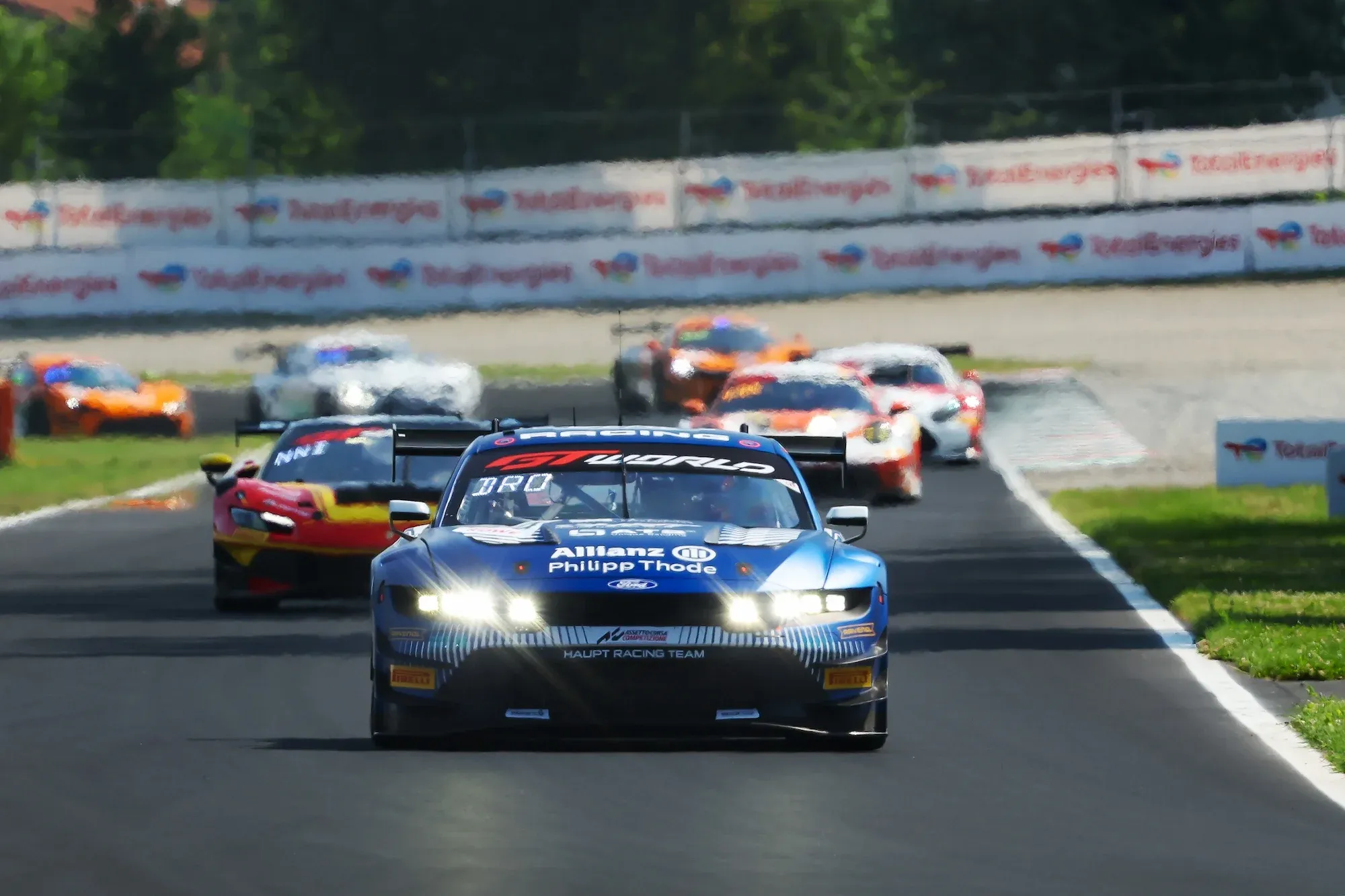
'With the introduction and acceptance of the BMW M4, while the M3 was always rejected for 20 years, with the acceptance of the Mustang... it's another pillar of exclusivity that has been crumbling.'
What he means by this is the idea that the Ferraris, Lamborghinis and Porsches of this world, entering the likes of the 296, Temerario and 911 GT3R, won't want to be beaten by a BMW M4 or a Ford Mustang. That this isn't a good look for them, and his worry that their brand positioning as premium or exotic brands will be in danger if they're beaten by cars not deemed to be on the same level of exoticness or prestige.
He gave me an example. 'I have an extensive experience because I was also involved in the Super Racing Weekend in the year 2000, and at the start of ETCC that became WTCC. So I know the phenomenon.
'You start with Alfa Romeo against BMW. They're very happy to compete against each other. Then they will rebadge Chevrolet, then you have Ladas and all seems to collapse. Alfa stays one year, BMW a few more years, then they go.'
What can the SRO do here? The exclusivity problem is, admittedly, a bit of a paradox. The mix of brands and cars means more fans are interested, more teams, more drivers. But if the mix is diluted too far, the risk is that the exotic manufacturers leave because they don't want to be beaten by a less premium brand or model costing a fraction of the more exotic model.
And if some manufacturers do leave in the future? Ratel doesn't seem fazed.
'Even if we were to have at some point fewer manufacturers, it wouldn't mean that we would have fewer cars. You would have more cars of each rather than fewer cars,' he said.
Pillar #4: Customer racing
Finally we come to Ratel's fourth pillar, the only one he believes is still standing firm: customer racing.
'Customer racing is essential to the category. Customer racing is what allows these cars to be widely distributed.'
This is what Ratel's original vision was founded on and is, arguably, the most important of all the pillars, maybe alongside cost.
'GT3's success comes from the fact that these cars were sold massively,' he said.
'About 3,000 GT3 cars have been built in the last 20 years, and manufacturers were producing always 20, 50, 100, 200. I think Mercedes went up to, with the last car, 300 cars.'
The customer aspect has fundamentally changed over the years though. The rise of factory-supported teams – WRT for BMW, AF Corse for Ferrari, GetSpeed for Mercedes, Manthey for Porsche – and then the smaller teams that don't get this same support and funding risk the category and the series which race it becoming two-tier.
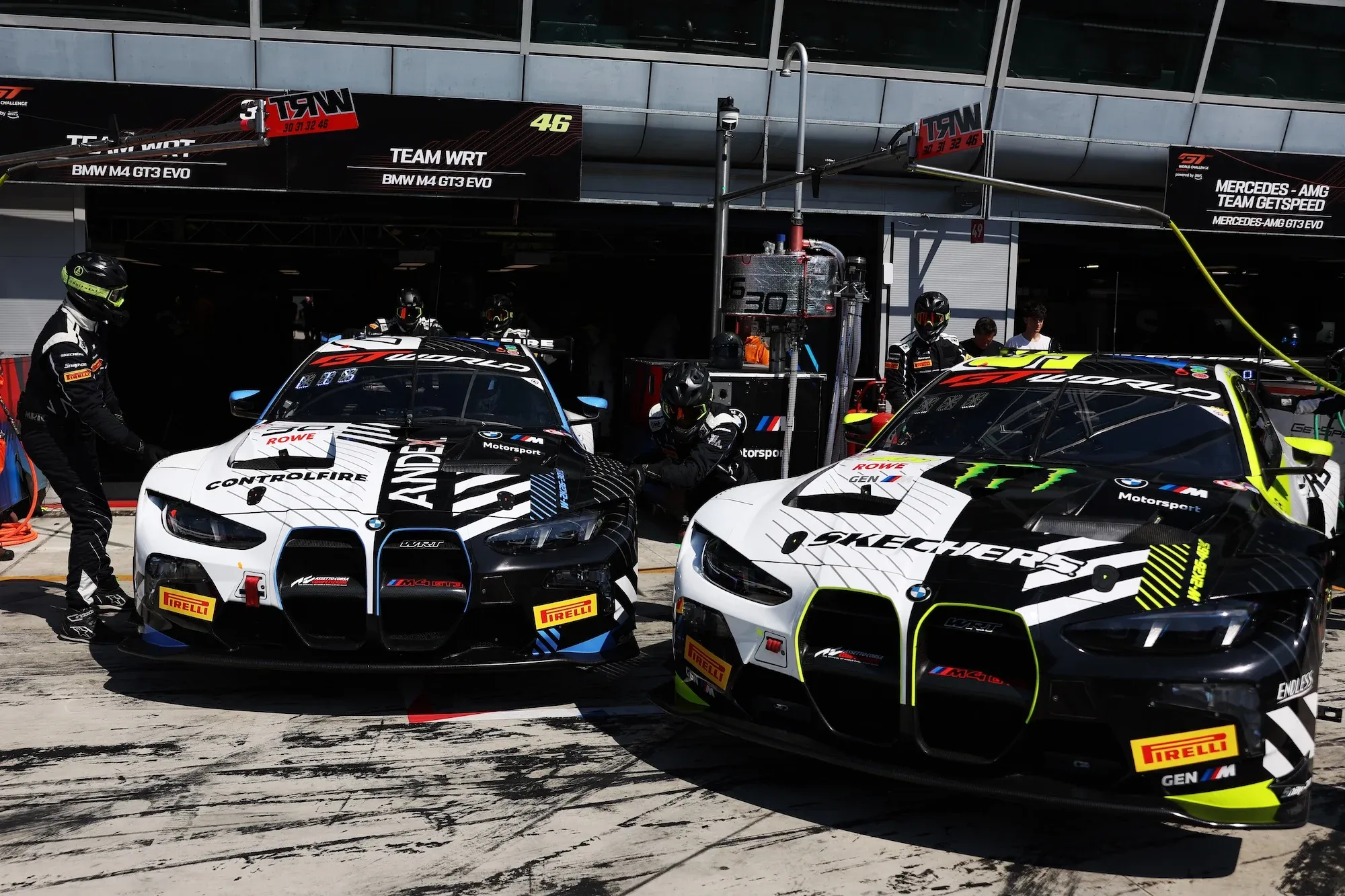
It's not clear if Ratel has a plan to counter the rise of 'factory GT3' teams. But he did say he is trying to 'preserve' customer GT3 racing.
'The customer racing element is absolutely essential and it's something I'm really trying to preserve by convincing the FIA to have strong rules to preserve this criteria.'
What these strong rules look like aren't clear, but one thing is: Ratel's commitment to his class, his biggest contribution to global motorsport.
'The FIA needs to make sure when it comes really to GT3 that the cars remain affordable, that the cars remain exclusive, and that the concept is completely guaranteeing that it's built for customer racing,' he concluded.
 Phil Oakley