



Based on the first two races of the FIA World Endurance Championship this year, Le Mans feels quite unpredictable in 2026.
It really feels like multiple teams may well be in with a shot at victory in the world's premier endurance race, rather than just the classic 'top teams'.
After three years on the bounce of Ferrari victories, and then five Toyota victories before that, we could well see another team or manufacturer take the spoils.
Looking to Imola and Spa for answers
The two previous WEC races, at Imola and Spa, were unpredictable affairs, even towards the end of each race.
At Imola we had a Toyota vs Ferrari battle for the win, which was close and hard-fought, with the #8 Toyota of Brendon Hartley, Sebastien Buemi, and Ryo Hirakawa prevailing by just over 13 seconds from the #51 Ferrari crew.
At Spa, BMW and WRT took their first ever WEC overall victory, as well as WRT's first victory with the M Hybrid V8. Not only that, but the sister car finished second, completing a 1-2.
While the #50 Ferrari did finish third in that race, both Ferrari and Toyota, after dominating Imola, were not quite at the sharp end pace wise in Belgium.
BMW's winning #20 car at Spa spent around 61.5% of the race in the lead. At Imola, the #8 Toyota was in the lead for roughly 60.1%.
Even if you count the single lap the #8 Toyota led at Spa, lap 106 with Buemi at the wheel, this would only increase the percentage by 0.7%.
So, in terms of percentage of laps led, BMW actually lead this figure at the moment.
Pace wise, BMW were around half a second ahead, when you look at the best 20% laps of each car through the race, of the next quickest in that metric, the #35 Alpine. The #8 Toyota was only a tenth and half or so off the #35 Alpine, but there were multiple cars between them as well in a tight field pace wise. The #50 Ferrari was one of those cars, well under a tenth off. But the BMW was still quite a way ahead.
With a lap at Spa being around 2 minutes, half a second is a lot. In 10 laps of a race, half a second a lap faster on average, that could equal a 5-second gap.
Spa is traditionally seen as a dress rehearsal for Le Mans. The characteristics of both tracks are broadly similar; long straights, fast flat out corners, and some fiddly, technical bits too.
So it seems, based purely on the performance we saw at Spa, that multiple cars, including LMDh manufacturers, might be in with a shot at Le Mans.
Despite all this, Ferrari and Toyota remain the favourites for the win at La Sarthe. Both have won the race multiple times before and know how to win the 24 hour classic.
But, given the fastest 2 cars on average at Spa were LMDh cars... BMW and Alpine certainly cannot be ruled out either. Cadillac are in the same boat. The #12 led for 44 laps, 29.1% of the race, mainly in the hands of Will Stevens, but also WEC Hypercar debutant Louis Deletraz, who led for 6 laps.
The #12 Cadillac was, however, only 11th in the 20% average pace rankings at Spa. With the field so close this only put them just under 2 tenths off a second off the #35 Alpine in second. Again the #20 BMW was way out in front, though.
But, that was Spa. And while it's sort of similar to Le Mans in some aspects, Circuit de la Sarthe is a very different beast, which will likely only introduce more unknowns.
Le Mans is harder to call than ever
The honest answer is we have no real idea about what to expect from the 24 hour classic this year, even with two WEC races already done and dusted.
While BMW were the clear pace setters at Spa, it didn't feel like that during the race. Alpine had pace, as did Cadillac, at least initially, before dropping off. Peugeot too looked quicker than they have in the past.
So, there are multiple unknowns heading into this year's French endurance classic, which makes predictions hard.
For one, many of the cars have had upgrades, in the form of jokers, applied for 2026. Toyota, Alpine, Cadillac and BMW have raced upgraded cars in WEC and IMSA this year, to differing degrees of success.
In almost all cases, these updates will have been squarely aimed at winning Le Mans.
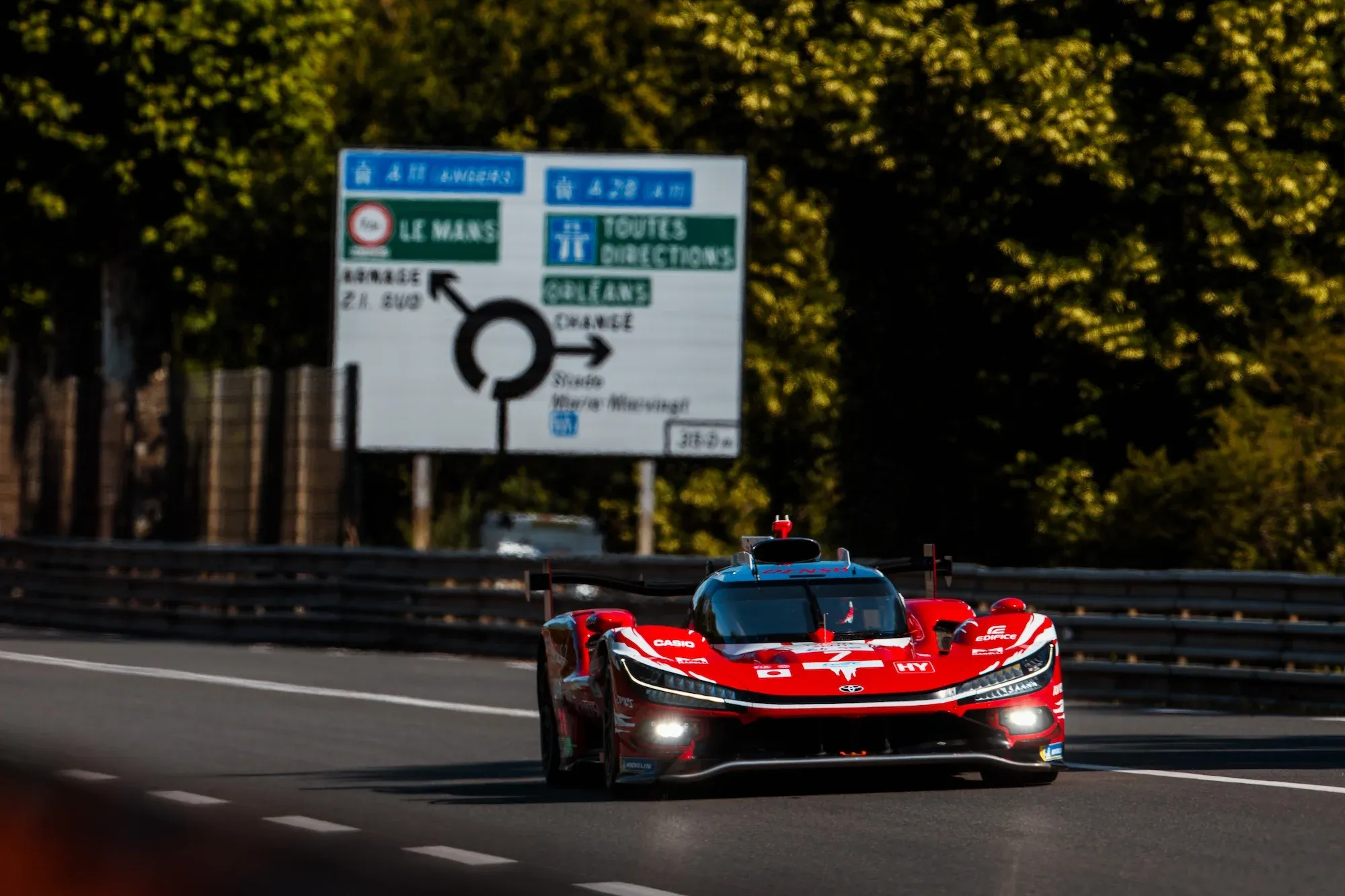
The Toyota upgrade is probably the biggest, with new or revised aero on almost every surface of the car, designed to reduce high speed drag. With the long straights at Le Mans this will be key.
The Cadillac, too, has seen completely revised aero surfaces, also designed to decrease drag and increase top speed. We saw last year at Le Mans that while the JOTA-run V-Series.Rs were quick over a single lap, locking out the front row, they struggled for top speed in the race, getting passed by Porsche's Julien Andlauer for the lead on the first lap.
In fact, the #311 Action Express Cadillac was the fastest Cadillac in a straight line, about 3.5kmh down on peak top speed last year during the race, compared to the 2 factory Ferraris. The two JOTA-run Cadillacs were just under 6kmh down on the Italian cars. The Toyota was a further 1kmh or so down on the JOTA Cadillacs.
BMW, too, updated their car for 2026, with the changes again squarely aimed at winning in France, as reported last week by Sportscar365's John Dagys. The revised nose, featuring smaller 'nostrils' should result in lower drag, again to achieve those pivotal top speeds on Le Mans' long straights.
And Alpine have also revised the aero on the A424, although the modifications are maybe not as large as others.
 Phil Oakley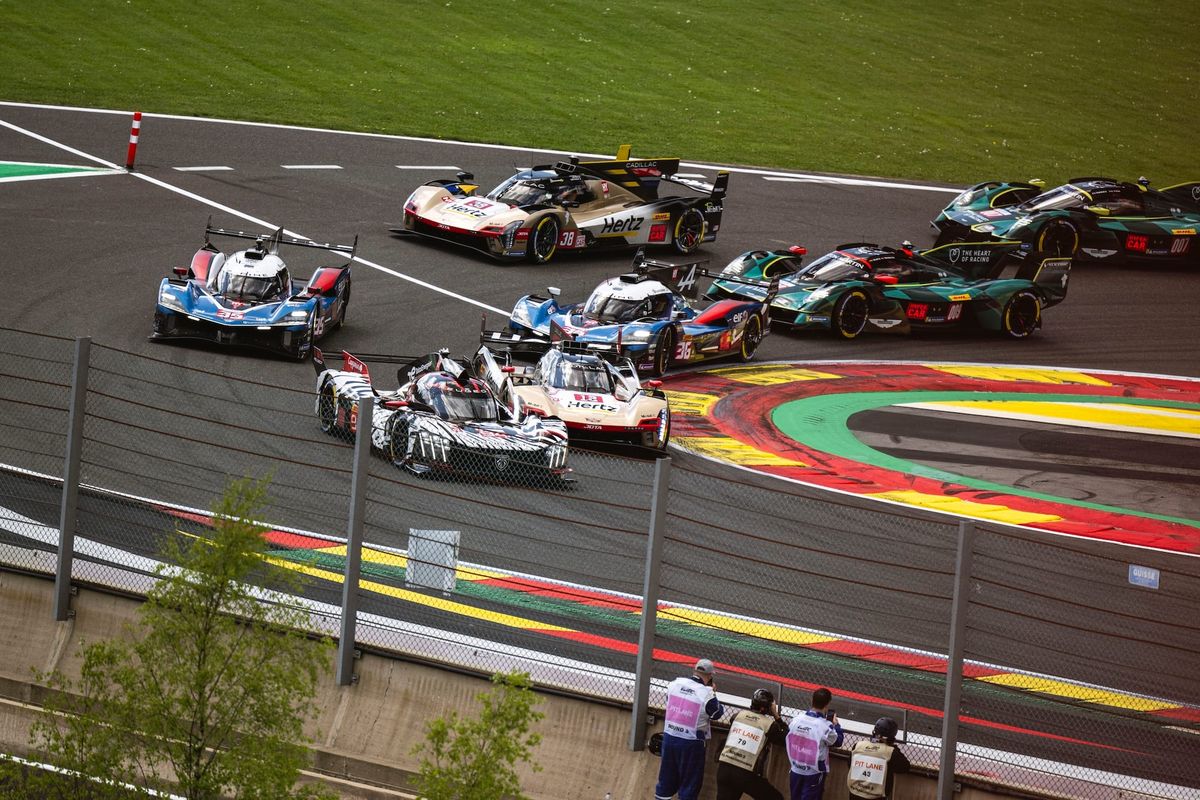
The hidden nature of BoP
The other unknown is Balance of Performance. Unlike previous years, the ACO is not releasing the BoP figures in 2026, meaning we don't know power and weight each car is running to.
Related to that, we can't tell if teams have been sandbagging at Spa especially in order to get better BoP for Le Mans. That's something we'll only really find out in the race when teams show their race pace hand.
And that doesn't just apply to Ferrari and Toyota, but to the others as well. No one shows their full hand prior to the race.
BoP being hidden means, at least to those not privy to the data – and not many are, even the teams don't have the full picture – that at least on paper, the battle looks a lot more fair.
This is, largely, good. BoP is one of those things where if it's good, the discussion about it is fairly minimal, especially if the values are hidden. If it's bad with large gaps between the cars, it becomes one of the main discussion points. That only increases if the values are public.
So, while the ACO's reasoning for hiding BoP this year may be a bit suspect, it's a good move to hide it. The BoP in Imola and Spa was good, proven by their unpredictable nature. Hopefully the same will carry through to Le Mans.
World championship vs Le Mans
Every team wants to win this race, usually more so than the manufacturers' world championship, which for many, pales in comparison to the drivers' world championship.
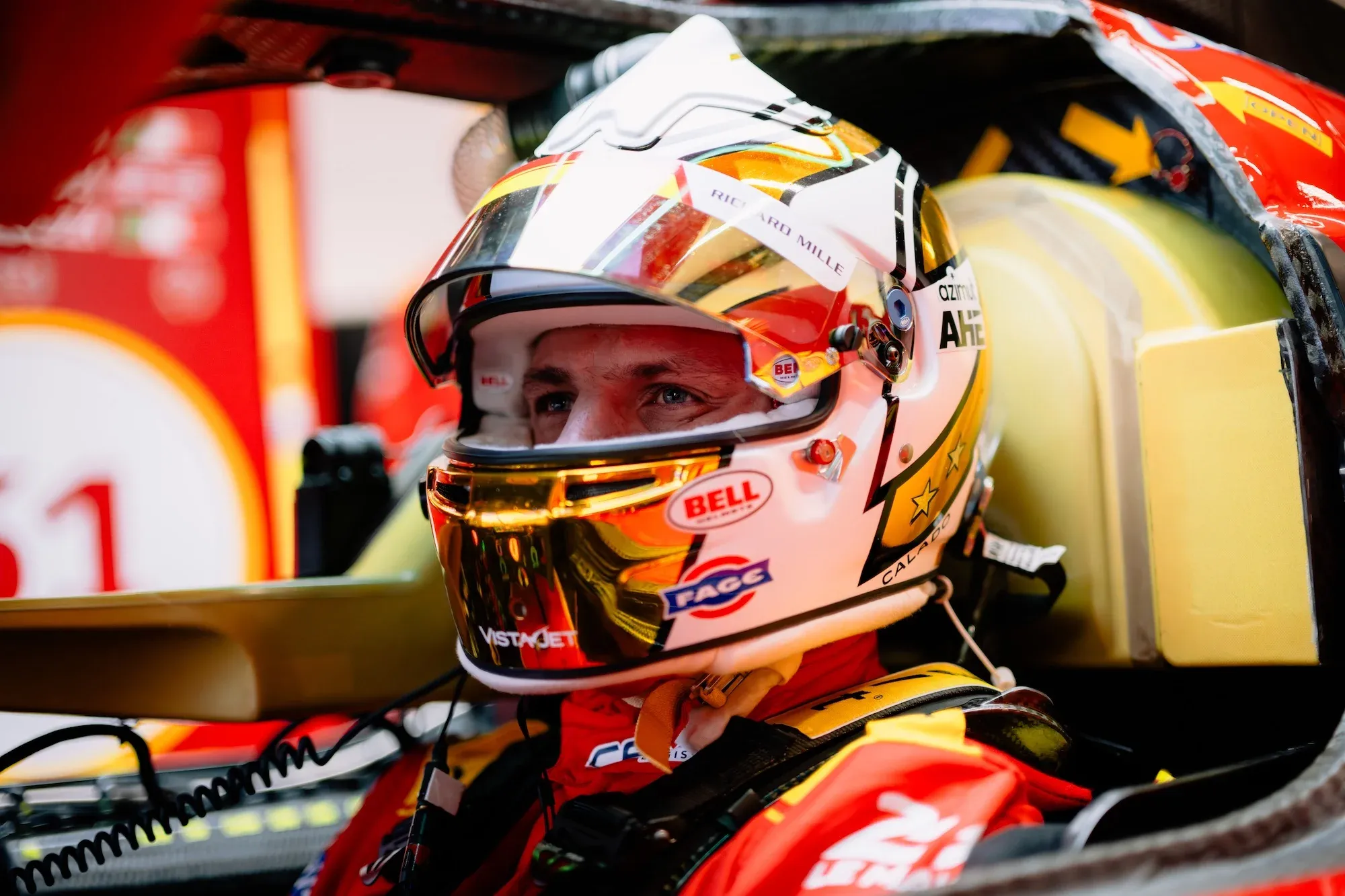
Speaking of: with the exception of James Calado, who has repeatedly told me that the world championship matters more to him than winning Le Mans, every driver has said they'd rather win the Le Mans than the championship. I believe the same is true for most, if not all, the teams as well, although they may be somewhat reluctant to admit that.
If there's a single race to win in global sportscar racing, it's this. Look at the example of the Porsche 911 GT1-98. Stunning car but was beaten soundly in FIA GT by the Mercedes CLK LM. But, as the Porsche won Le Mans, it's remembered as a legendary car. The Mercedes, while still iconic, often gets slightly sidelined.
Of course, it's impossible to know who has been sandbagging prior to the week in France. Even with BoP figures for the previous 2 races, it was still tough to tell. Now, without them, it's essentially impossible.
We can get some idea of potential performance from the test day last Sunday, but even in this teams won't be showing their full hand.
Test day: Toyota heads tight field
Aston Martin's Tom Gamble may have set the outright fastest lap in the test day at Circuit de la Sarthe on Sunday, but Toyota looked to be on top in the average pace charts.
This has to be caveated with the fact that teams aren't really showing full performance just yet. Arguably they won't show everything they've got until last few hours of the race when it really matters.
But still. Data is data.
If we take the average 20% of a team's two cars and average them together, Toyota are top. It's close, though. Alpine are less than a tenth back and the JOTA-run Cadillacs are also well in the mix.
Curiously, the Ferraris are quite a way back. We'll have to see how they progress on Wednesday and Thursday practice, and whether the sandbags begin to be released through the week and into the race.
Peugeot are still struggling for pace at Le Mans, as they did last year and in 2024 with the "new" winged 9X8. Genesis are only just behind Peugeot in what will likely be an encouraging day for the Korean-French team.
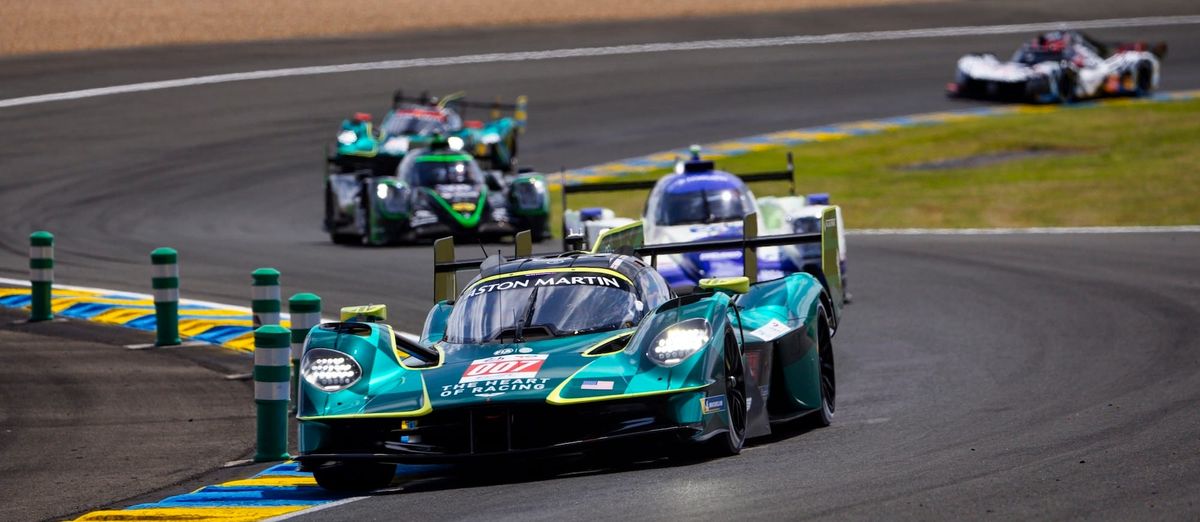
After the session had concluded, Aston Martin's Gamble, who topped the time sheets overall in the #007 Valkyrie, said: 'Night and day [difference] really [compared to last year]. Systems on the car are working a lot better now, and the balance itself is also a lot better. It's a lot more enjoyable to drive. And I mean it was already fun last year. It's a pleasure to drive this Valkyrie around Le Mans.'
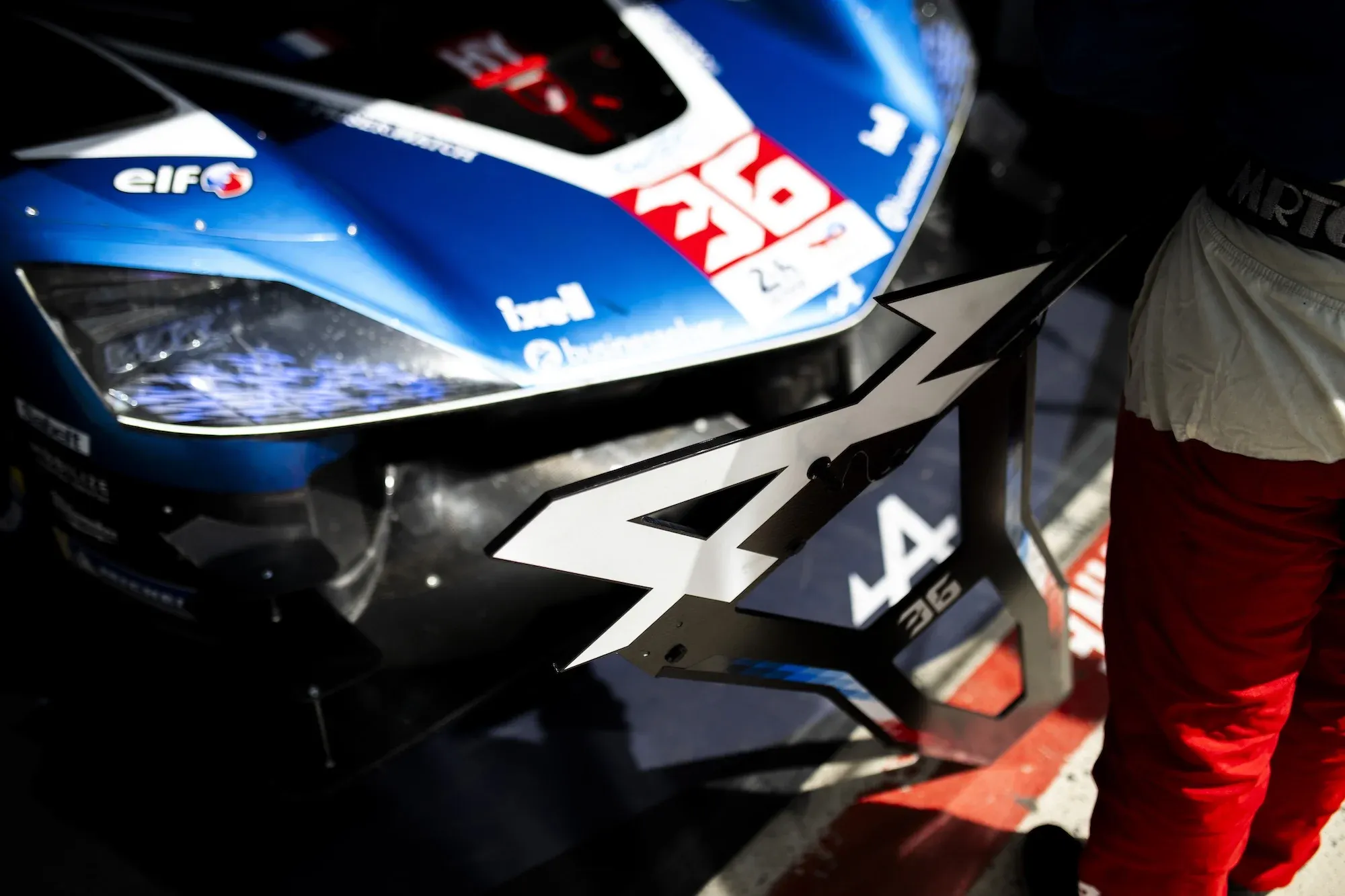
Top speed-wise, the two Alpines recorded the fastest straight line speed down the Mulsanne straight, 345.1kph. This was a full 1kph faster than the #7 Toyota. The fastest Valkyrie was 343kph, while Ferrari, easily the fastest car in a straight line last year, could only manage 341.9kph.
As the teams trawl through the data over the next two days, this will change on Wednesday.
But, Alpine do look to be in a good place going into the week, as do Toyota and JOTA with the factory WEC Cadillac programme.
In all, the 2026 edition of Le Mans is the hardest race to call in years. The majority of manufacturers have strengths somewhere and the traditional favourites of recent races haven't been as dominant this year so far as we'd expect.
The hidden BoP makes things a bit more equal, at least on paper, even though the ACO's reasoning for hiding it was poor. And the fact most cars have upgrades makes it hard to know who'll be quick in the race.
Toyota and Alpine led on test day pace, but BMW were very strong at Spa. And Ferrari are lurking suspiciously far back. The first hour will likely tell us more than the entire test day did about where each team stands.